
Conditions · Shoulder Pain
Shoulder Pain: North Beach Physiotherapy
Rotator cuff issues, impingement, frozen shoulder, instability. The most mobile joint in the body is also one of the most commonly injured. Accurate diagnosis is the starting point.
The shoulder is the most mobile joint in the body, which makes it one of the most commonly injured. Whether it's a throwing injury, gym-related rotator cuff damage, or chronic impingement that's been building for months, getting an accurate diagnosis is the starting point.
Shoulder Conditions We Treat
- Rotator cuff tears and strains: full or partial thickness, traumatic or degenerative
- Shoulder impingement: a sharp, catching pain when lifting the arm, reaching overhead, or lying on the shoulder
- Labral tears: common in throwing athletes and overhead sports
- Shoulder instability and recurrent dislocations
- AC joint injuries: from contact sport or falls
- Frozen shoulder (adhesive capsulitis): stiffness that develops gradually and limits all movement
- Biceps tendinopathy and SLAP lesions
How We Treat It
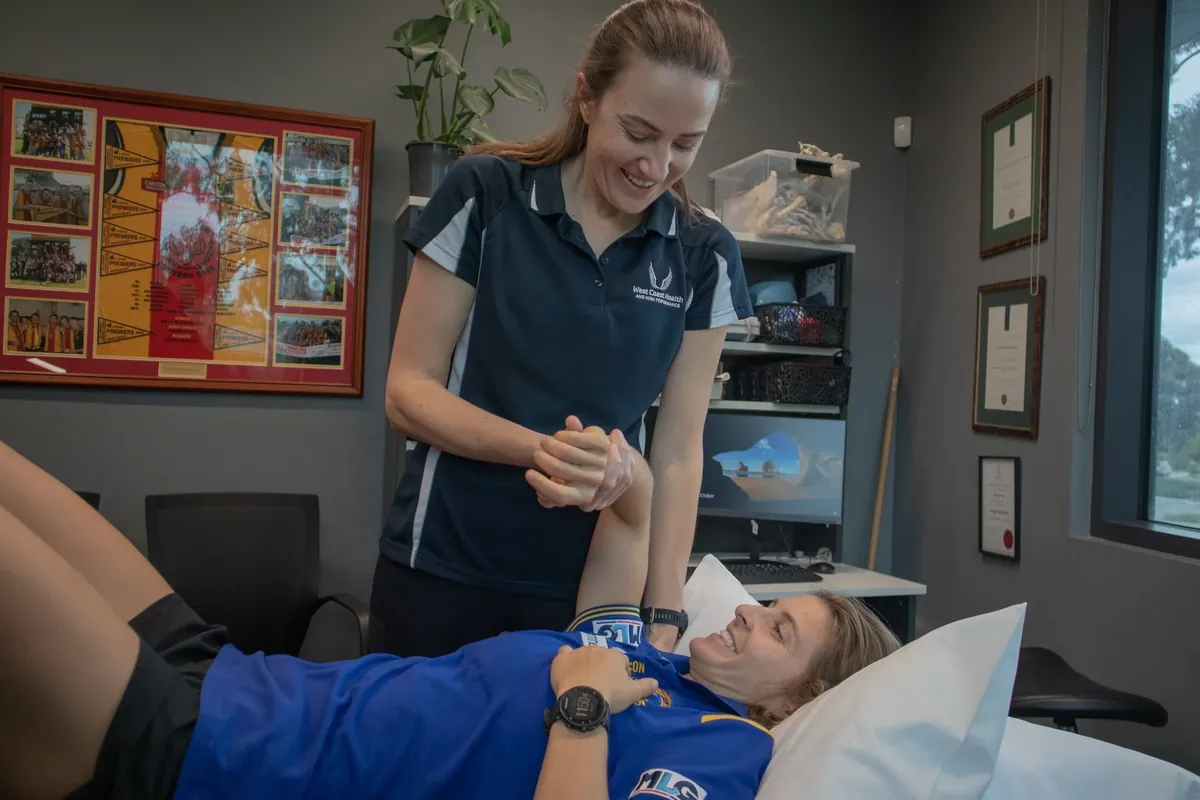
Every shoulder presentation is different. After a thorough assessment (testing strength, range, stability, and provocative movements), we build a program that matches the specific diagnosis.
Manual therapy: Joint mobilisation, soft tissue release, dry needling to reduce pain and restore movement.
Strength-based rehabilitation: The rotator cuff, scapular stabilisers, and periscapular muscles need specific loading to recover. We prescribe progressive exercises that rebuild capacity from the inside out.
Sport-specific return: Throwing mechanics, overhead sport technique, gym loading modifications. We work with what you do, not a generic shoulder protocol.
When to Get Assessed
Don't push through shoulder pain that:
- Has been present for more than 4 weeks
- Woke you up at night
- Followed a sudden injury (fall, collision, sudden load)
- Involves weakness, instability, or a feeling the shoulder "gives way"
Most shoulder conditions can often be helped with conservative management. The longer they're left, the more compensation patterns develop, and the more work it takes to unwind them.