
Conditions · Lower Limb
Lower Limb Injuries: North Beach Physiotherapy
Hamstring strains, knee pain, rolled ankles, calf tears. The lower half is where most sport injuries happen. Accurate diagnosis is what separates quick recovery from a recurring problem.
Lower limb injuries are the most common reason active people end up sidelined. Whether it's a hamstring strain at training, a knee issue that's been building for months, or an ankle that keeps rolling, accurate diagnosis is what makes the difference between a quick recovery and a recurring problem.
Common Lower Limb Conditions We Treat
Hamstring
The most frequent injury in kicking and sprinting sports. At elite level, hamstring strains account for 1 in 5 total injuries. We assess the grade, load the tissue appropriately, and run a progressive return-to-sport program that reduces re-injury risk.
Knee: ACL, Meniscus, Patella
Knee pain is broad. ACL tears, meniscus injuries, runner's knee, patellar tendinopathy, arthritis. Each has a distinct assessment and treatment approach. We diagnose accurately before we treat.
Ankle & Foot
Ankle sprains, plantar fasciitis, Achilles tendinopathy, heel spurs. Dynamic ankle stability depends on strength and proprioception. We rebuild both.
Groin & Hip
Hip flexor, adductor, and labral injuries common in multi-directional sports. Assessment includes screening for referred pain from the lumbar spine.
Calf & Achilles
Calf strains and Achilles tendinopathy have specific loading protocols. We manage them properly to avoid the common pattern of early return and re-rupture.
How We Treat It
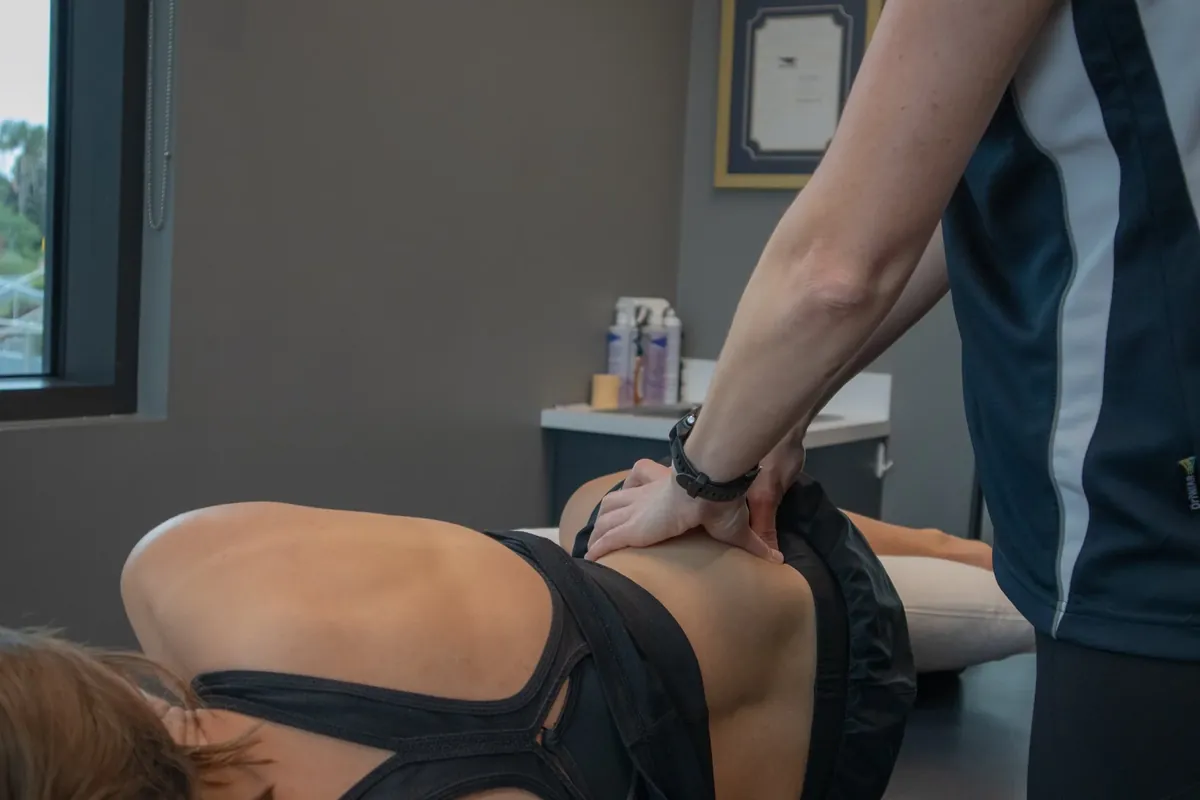
Accurate diagnosis. Hands-on treatment to reduce pain and restore movement. Then progressive loading, the part most people skip, which is why injuries keep coming back.
We give you a structured return-to-activity plan with objective markers. You know when you're ready, not just when it stops hurting.
When to See a Physio
Get assessed early if:
- Swelling, bruising, or significant loss of movement appeared after injury
- The same area keeps getting re-injured
- Pain has been present for more than 2–3 weeks without clear improvement
- You've been told to "rest and it'll sort itself out", and it hasn't